
Cannabidiol, or CBD, has become one of the most talked-about wellness compounds in recent years. From stress relief to pain management, many people are turning to CBD for its natural therapeutic potential. However, one area that continues to raise questions is how CBD impacts liver health. Since the liver plays a critical role in filtering and metabolizing substances, understanding this relationship is essential for safe and effective use.
The growing interest in CBD and liver health stems from both scientific curiosity and consumer safety concerns. Some early studies have suggested possible changes in liver enzyme levels with high doses of CBD, while others point to potential anti-inflammatory and protective effects. To make sense of these findings, let’s explore what research currently reveals about CBD liver effects, CBD liver toxicity, and CBD safety for liver patients.
What Is CBD and How Does It Work in the Body?
CBD, short for cannabidiol, is a non-psychoactive compound derived from the hemp plant. Unlike THC, CBD does not produce a “high.” Instead, it interacts with the body’s endocannabinoid system (ECS)—a network of receptors and signaling molecules that help regulate mood, pain, sleep, and immune function.
When CBD enters the body, it influences ECS receptors indirectly, helping to maintain balance or “homeostasis.” This makes it a promising compound for managing stress, inflammation, and chronic pain. However, because CBD is metabolized by the liver, understanding CBD and liver metabolism is essential for safe and informed use.
What Role Does the Liver Play in Processing CBD?
The liver is a powerhouse organ that filters toxins, metabolizes medications, and produces essential proteins. When you take CBD, it passes through the digestive system and reaches the liver before entering the bloodstream. This process is known as the “first-pass metabolism.”
1. Metabolizing CBD Compounds
The liver breaks down CBD using enzymes in the cytochrome P450 family. These enzymes help convert CBD into metabolites that the body can use or eliminate.
2. Influence on Other Medications
Because CBD uses the same enzymes as many common medications, it can alter how quickly drugs are processed. This connection between CBD and liver function is why some people may experience drug interactions.
3. Maintaining Balance
In healthy individuals, the liver efficiently processes CBD. However, in people with liver disease or elevated enzyme levels, even moderate CBD doses can have different effects.
Can CBD Affect Liver Health?
Research suggests that CBD can influence liver function, particularly at high doses. Some studies have observed elevated liver enzymes in participants taking large amounts of CBD. Elevated enzymes don’t always indicate damage, but they do signal that the liver is working harder than usual.
It’s important to understand that most reports of CBD liver damage or CBD liver toxicity involve doses much higher than those typically used in wellness products. For healthy adults using standard doses, CBD is generally well-tolerated. Still, it’s wise to monitor for any changes, especially for those with existing liver conditions.
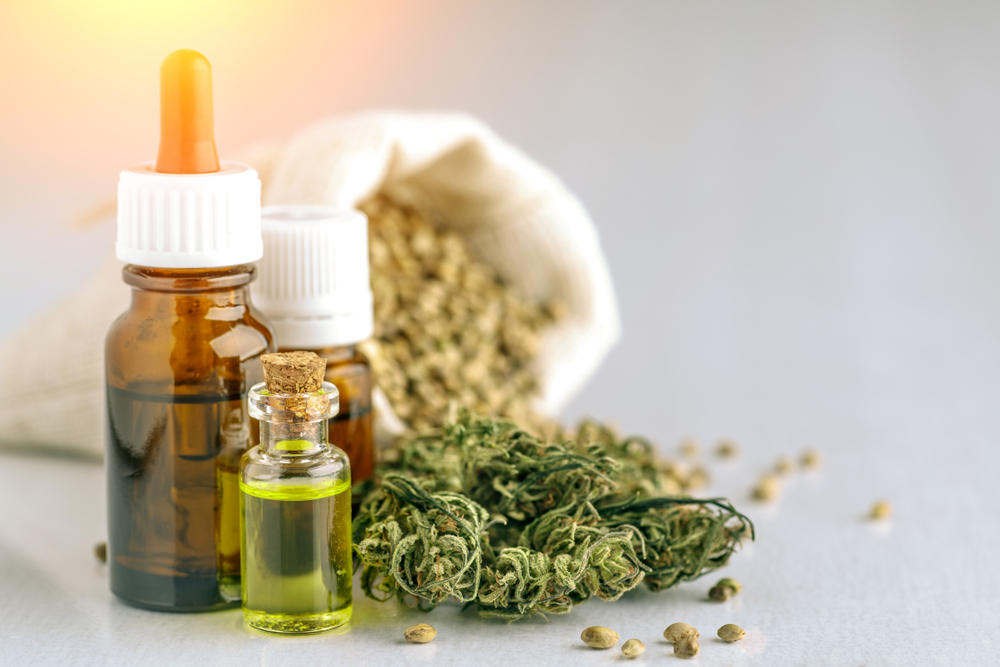
Does the Dosage of CBD Influence Liver Function?
Yes. The amount of CBD consumed can significantly affect how CBD affects the liver. Low to moderate doses appear safe for most individuals, but extremely high doses may strain the liver.
For example, animal studies using concentrated doses have shown temporary increases in liver enzymes, while human studies using standard daily doses have found no harmful effects.
Moderation and consistency are key. Start low, monitor how your body reacts, and increase only if necessary.
Can CBD Interact With Other Medications That Affect the Liver?
Absolutely. Since CBD and many prescription drugs rely on the same liver enzymes for metabolism, interactions can occur. Medications for cholesterol, blood pressure, or seizures may process more slowly when combined with CBD. This doesn’t mean you cannot use both, but you should consult a healthcare provider before combining them.
By discussing CBD and liver enzymes with your doctor, you can determine appropriate dosing and timing to avoid unwanted interactions.
What Does Current Research Say About CBD and Liver Toxicity?
Is CBD safe for your liver? Recent studies have offered mixed but informative insights. Clinical trials in healthy adults show that typical CBD doses rarely cause clinically significant liver injury. Most reports of CBD liver toxicity come from studies using extremely high doses or involving participants on other medications known to stress the liver.
Interestingly, some animal and cellular studies indicate CBD may have protective effects against oxidative stress and inflammation, two key drivers of liver disease. These findings suggest that while monitoring is necessary, the compound’s benefits may outweigh its risks for many users.
Are There Potential Benefits of CBD for Liver Health?
Emerging research suggests CBD could support liver health under certain conditions.
1. Anti-Inflammatory Effects
CBD’s ability to reduce inflammation may help lower the risk of liver-related complications, particularly in nonalcoholic fatty liver disease (NAFLD).
2. Antioxidant Support
CBD’s antioxidant properties may protect liver cells from oxidative damage, which contributes to aging and disease progression.
3. Improved Metabolic Balance
Some studies suggest CBD may help regulate fat metabolism in the liver, supporting healthier function overall.
Who Should Be Cautious When Using CBD Products?
While CBD is widely considered safe, certain individuals should proceed carefully.
People with Pre-Existing Liver Conditions
Those with hepatitis, cirrhosis, or elevated enzymes should consult a physician before use. Even small doses may affect CBD and liver metabolism differently.
Individuals on Multiple Medications
Drug interactions are possible when combining CBD with prescriptions that rely on the same liver enzymes.
Older Adults or Immunocompromised Patients
These groups may process CBD more slowly, increasing the risk of buildup or mild side effects.

How Can Consumers Use CBD Safely While Protecting Liver Health?
Safe consumption starts with informed choices.
1. Choose Quality Products
Opt for lab-tested, reputable brands that provide third-party verification of purity and potency. Atmos Smoke, for example, offers high-quality CBD products that are tested for contaminants and safe for everyday use.
2. Start with a Low Dose
Begin with a small amount and observe your body’s response. Gradually adjust if needed.
3. Consult a Healthcare Provider
Before starting any CBD regimen, especially if you take medications or have health concerns, seek medical guidance.
What Are the Signs of Liver Stress or Dysfunction to Watch For?
Recognizing early signs of liver strain can prevent more serious issues. If any of these symptoms occur, stop using CBD and consult your doctor immediately.
- Fatigue and Weakness: Persistent tiredness may indicate that the liver is under stress.
- Abdominal Pain or Swelling: Discomfort in the upper right abdomen could signal inflammation or congestion.
- Jaundice (Yellowing of the Skin or Eyes): A visible sign that the liver is struggling to process bilirubin properly.
What Does the Future of Research on CBD and Liver Health Look Like?
The relationship between cannabidiol and liver health continues to be a focus of scientific investigation. Researchers are exploring how dosage, frequency, and product formulation influence CBD and liver function. As studies expand, clearer guidelines will emerge for safe use, especially among vulnerable populations.
The potential of CBD as both a therapeutic aid and a wellness supplement remains strong, provided consumers stay informed and responsible.
Supporting Balance Between CBD Use and Liver Wellness
CBD holds promising therapeutic potential, but like any supplement, it should be used with care. Understanding how CBD and liver metabolism work helps consumers make safer, more effective choices. Current research suggests that normal doses are unlikely to cause CBD liver damage, though high concentrations and drug interactions warrant caution.
For those looking to explore CBD responsibly, choosing trusted retailers like Atmos Smoke ensures access to quality products that prioritize purity and safety. With the right knowledge and approach, it’s possible to enjoy the benefits of CBD while maintaining a healthy, well-functioning liver. Shop our website today!