
CBD continues to grow in popularity, yet one question comes up again and again: can you get addicted to CBD? The concern makes sense, especially given the long-standing cannabis stigma and confusion around how different cannabinoids affect the body. Understanding why CBD is considered non-addictive starts with learning how addiction works, how CBD interacts with the brain, and what research actually shows about dependency risk.
This guide walks through the science in clear terms, addresses common misconceptions, and explains why cannabidiol does not behave like substances known to cause addiction.
Understanding Addiction and Dependence
Addiction usually involves a pattern of compulsive use driven by reward, cravings, and loss of control. Substances associated with addiction tend to activate the brain’s reward system in ways that reinforce repeated use despite negative consequences.
Dependence, on the other hand, refers to physical or psychological reliance that can lead to withdrawal symptoms when use stops. These concepts matter when asking questions like is CBD addictive or can you get addicted to CBD, because they provide a framework for evaluating real risk instead of relying on assumptions tied to cannabis in general.
How CBD Interacts With the Brain
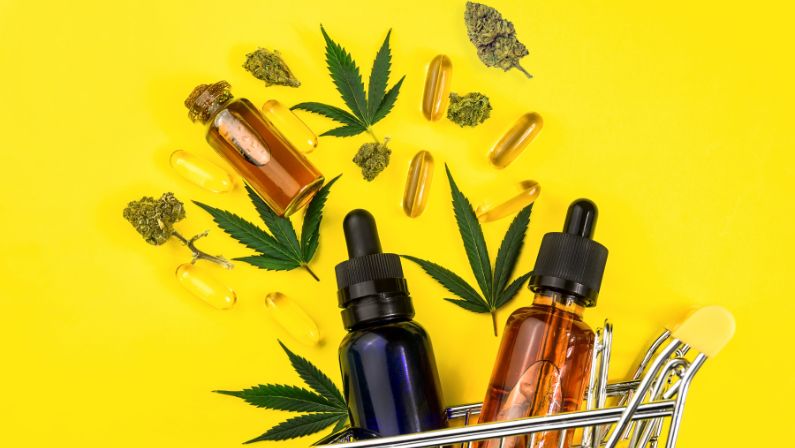
One of the main reasons CBD carries a low risk profile lies in how CBD affects the brain. Cannabidiol does not directly stimulate the brain’s reward centers the way addictive substances do. Instead, it interacts indirectly with systems that regulate balance, stress response, and mood.
CBD works through the endocannabinoid system, a network involved in maintaining internal stability. Rather than flooding receptors with stimulation, CBD supports natural signaling pathways. Research into CBD and neurotransmitters suggests that cannabidiol influences serotonin and other modulators without triggering dopamine spikes typically associated with addiction cycles.
These mechanisms explain why CBD lacks the reinforcing effects linked to substance dependence.
THC Exposure in CBD Products: What Consumers Should Know
Concerns about CBD addiction often stem from confusion around THC. THC produces intoxicating effects and directly activates reward pathways, which increases its potential for misuse.
Most reputable CBD products contain minimal or no THC and fall under the category of non-intoxicating cannabinoids. Understanding product labels, sourcing, and third-party testing helps consumers avoid unwanted THC exposure and reinforces why cannabidiol itself does not carry the same dependency risks.
CBD’s Potential Role in Addiction Recovery
Interestingly, CBD has gained attention for its potential role in addiction support rather than causing it. Some studies suggest cannabidiol may help regulate stress responses and cravings linked to other substances.
This area of research does not position CBD as a cure, but it does highlight an important distinction. A compound being explored for recovery support does not align with patterns seen in addictive substances, further clarifying why cannabidiol addiction remains unsupported by evidence.
Is CBD Habit-Forming? Understanding Its Risk Profile
People sometimes confuse routine use with dependency. Using CBD regularly as part of a wellness routine does not automatically translate into CBD dependence.
Reported Effects Associated With CBD Use
Most reported effects relate to relaxation, improved sleep quality, or general calm. Users typically do not describe escalating cravings, compulsive behavior, or loss of control, which are hallmarks of addiction. This difference plays a central role in discussions around why CBD is non-addictive.
Possible Side Effects and Safety Considerations
CBD is generally well tolerated, though mild side effects can occur. These may include fatigue, digestive discomfort, or appetite changes, especially at higher doses.
Importantly, side effects do not equate to addiction. Safety considerations focus on dosage, product quality, and individual health factors rather than dependency risk.
CBD Dosage: How Much Is Generally Considered Appropriate?
There is no universal dosage for CBD, since body chemistry, goals, and product type all influence response. Research typically examines a wide range of doses, many of which exceed what most consumers use daily.
Gradual adjustment helps users find effective amounts without unnecessary excess. This approach further reduces concerns around dependency or tolerance.
Who Should Avoid or Use Caution With CBD
Certain individuals should consult healthcare professionals before using CBD, including those who take medications metabolized by the liver, are pregnant, or manage complex medical conditions.
Caution in these cases relates to interactions and safety, not addiction risk. Understanding context keeps the conversation balanced and accurate.
Debunking Common Misconceptions About CBD and Addiction
Many concerns persist due to outdated or oversimplified information.
Myth 1: CBD produces the same effects as marijuana
CBD lacks intoxicating properties and does not cause the “high” associated with THC. This difference directly affects addiction risk.
Myth 2: All cannabis-derived products cause addiction
Cannabis-derived products vary widely. Grouping them together ignores the fundamental differences between THC and CBD.
Myth 3: CBD use can never become habitual
While CBD is non-addictive, any wellness habit can become routine. Habitual behavior does not equal addiction, especially without cravings or withdrawal symptoms.
Myth 4: CBD edibles are always safe and tightly regulated
Edibles vary in quality and dosing consistency. Regulation depends on the manufacturer, making education and sourcing critical for safe use.
What Research Says About CBD and Dependency Risk
When people ask, “Is CBD addictive?”, the most reassuring answers come from how it performs under scientific scrutiny, not from marketing claims or personal anecdotes. Researchers look closely at how substances affect behavior, brain chemistry, and patterns of use over time. Across multiple studies, CBD continues to show a very low potential for abuse or dependence.
Research examining CBD psychoactive effects consistently finds that cannabidiol does not cause intoxication, euphoria, or the dopamine-driven reward response associated with addictive substances. Users do not experience the kind of “high” that reinforces repeated use, and studies do not show patterns of escalating doses or compulsive behavior tied to CBD.
Because of this, researchers generally agree that CBD does not meet the clinical criteria used to classify addictive substances. Instead of triggering reinforcement cycles, cannabidiol interacts with the brain in a way that supports balance and regulation, which helps explain why concerns around CBD dependence remain unsupported by current evidence.
CBD vs. THC: How Their Effects on the Brain Differ
THC binds directly to CB1 receptors in the brain, triggering euphoric effects and reinforcing use. CBD does not bind in the same way and instead moderates receptor activity.
This distinction explains why THC carries misuse potential while CBD does not.
Can the Body Build Tolerance to CBD?
Some users report needing slight dosage adjustments over time, though tolerance development appears limited compared to substances associated with addiction.
Tolerance, when it occurs, reflects physiological adaptation rather than compulsive use or dependency.
Stopping CBD: What Users May Experience
Most people stop CBD without withdrawal symptoms. Some may notice the return of the original reason they used CBD, such as stress or sleep difficulty, which can be mistaken for dependency.
Understanding this difference helps clarify why stopping CBD does not mirror withdrawal patterns seen in addictive substances.
Why Some Users Report Feeling Reliant on CBD
Psychological comfort can create a sense of reliance, especially when CBD becomes part of a calming routine. This experience reflects behavioral attachment rather than chemical addiction.
Recognizing this distinction supports healthier, more mindful use.
Understanding CBD Use With Confidence
The question of why CBD is non-addictive becomes clearer when looking at how cannabidiol interacts with the brain, how research evaluates dependency, and how real-world use compares to addictive substances. CBD does not produce intoxication, does not activate reward-driven reinforcement, and does not show patterns of compulsive use.
For those exploring CBD products, trusted retailers like Atmos Smoke offer educational resources and curated options that emphasize transparency and informed use. Exploring our guides on CBD, including beginner-focused education and wellness insights, helps users make confident, responsible decisions rooted in science rather than stigma.